Alejandria: A Playful Script Font for Editorial Design
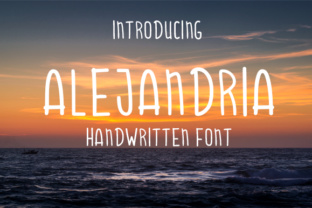
Alejandria is a script handwritten font that brings a touch of charm and personality to any editorial layout. Its simple yet playful character makes it an excellent choice for designers looking to add visual interest without sacrificing readability. Whether you're crafting a blog header, designing a newsletter graphic, or creating a printable planner, Alejandria offers a versatile solution that aligns with both creative and functional design needs.
Alejandria for Wedding Invitations and Elegant Branding
When redesigning a wedding guide or creating a brand identity for a boutique, the right font can make all the difference. Alejandria’s elegant curves and flowing strokes are perfect for invitations, logos, and branding elements. Its soft, handwritten feel adds warmth and authenticity, making it ideal for couples who want their stationery to reflect a personal touch.
Pairing Alejandria with a clean sans serif font like Montserrat ensures that the design remains balanced and professional. This combination works well in digital marketing materials, such as social media graphics and email templates, where both style and clarity are essential. The font's versatility allows it to adapt to various formats, from print invitations to online announcements, maintaining its charm across different platforms.
Alejandria for Social Media Posts and Digital Content
In the fast-paced world of digital publishing, content must be engaging and visually appealing. Alejandria shines in this environment, particularly for social media posts and editorial features. Its playful nature encourages a more casual and approachable tone, which resonates well with audiences seeking connection and creativity.
Using Alejandria for pull quotes or section headings can elevate the reader experience by adding a subtle decorative element. However, it's important to consider readability on smaller screens. When used in short bursts—such as headlines or captions—it maintains its impact without overwhelming the viewer. For longer text, it's best reserved for titles or accents rather than body copy.
Alejandria for Printables and Educational Materials
Printable planners, worksheets, and educational guides often require a font that is both readable and inviting. Alejandria fits this need perfectly, especially when used for headers, chapter openers, or decorative elements. Its legible structure ensures that even in smaller sizes, the text remains clear and easy to read.
For a coaching workbook or a lifestyle blog, Alejandria can help establish a cohesive visual language. It pairs well with minimalist layouts, enhancing the overall aesthetic while keeping the focus on the content. Additionally, its support for multiple languages and file formats makes it suitable for international publications and multilingual projects.
Alejandria for Magazine Covers and Article Titles
The cover of a magazine or the title of an article can set the tone for the entire publication. Alejandria’s expressive style makes it an excellent choice for these key elements, offering a unique visual identity that stands out. Its use in editorial design helps create a memorable first impression, encouraging readers to engage with the content.
When considering font pairing for magazine covers, it's crucial to balance the display font with a readable body typeface. Alejandria’s bold and stylized look complements a classic serif font like Garamond, ensuring that the design remains both stylish and functional. This approach supports the reader’s ability to navigate through the publication while maintaining a cohesive brand identity.
Alejandria for Long-Form Content and Readability
While Alejandria excels in short-form content, its use in long-form material requires careful consideration. Due to its expressive nature, it may not be the best choice for dense paragraphs or formal reports. Instead, it should be reserved for titles, subtitles, and decorative elements that enhance the visual hierarchy without distracting from the main content.
Readability is a key factor in any design project, especially when working with screen reading or PDF exports. Alejandria performs well in these formats when used sparingly, ensuring that the text remains accessible and easy to follow. Designers should also check for included styles, ligatures, and weights to ensure that the font meets the specific needs of their project.
Ultimately, Alejandria is a valuable addition to any designer’s toolkit. Its playful yet refined character makes it suitable for a wide range of applications, from social media graphics to editorial layouts. By understanding its strengths and limitations, designers can effectively leverage Alejandria to create engaging, visually appealing content that resonates with their audience.